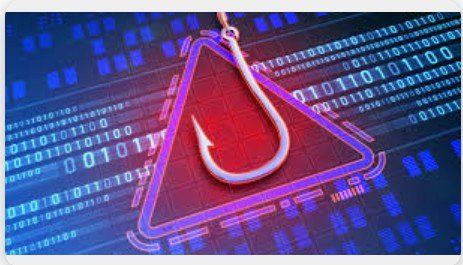

For Cyberattacks, cyber criminals are increasingly leveraging artificial intelligence (AI) and machine learning (ML) to execute more advanced and sophisticated threats, amplifying the scale and impact of their attacks.
As a result, the perception among many organizations is that they see the scales tipping in favor of the attackers. In fact, a recent Enterprise Strategy Group survey noted a sobering statistic: 76% of organizations believe adversaries benefit the most from generative AI (GenAI), while only 24% think defenders have the upper hand.
Consumers Concerned about AI Impact
Experian research among consumers in the United States and United Kingdom shows that many are feeling the impact of savvy attacks and anxious about cyber threats worsening.
Additionally, findings reveal that younger generations are increasingly vulnerable to scams, while many victims feel unsupported after their data is compromised. Consumers question whether the companies they trust are ready to defend against sophisticated cyber threats. Overall, key findings include:
- 1 in 4 millennial adults surveyed say they’ve been a victim of identity theft in the past year.
- Nearly a quarter say they’ve fallen for a phishing attack at home or work in the past 12 months.
- More than 4 in 5 are concerned about AI being used to create fake identities that are indistinguishable from real people.
Key U.S. findings:
- More than one in three (35%) adults worry about being found personally liable for monetary loss as a result of a cybersecurity mistake at work.
- 69% do not believe their bank or retailer is adequately prepared to defend against AI-driven cyberattacks or they’re unsure.
- Over three-quarters (76%) believe that cybercrime will continue to increase and be impossible to slow down because of AI.
Top UK results:
- A quarter of millennial adults (25%) say they’ve been a victim of identity theft in the past year.
- One in three (33%) U.K. adults worry about damaging their professional reputation due to a cybersecurity mistake at work.
- Among those who’ve had their data stolen or exposed in a data breach, more than 3 in 5 (62%) did not say the organization provided adequate support.
Experian Data Breach Resolution helps organizations respond swiftly and confidently to data breaches with over 21 years of crisis management expertise and more than 69,000 incidents served. Its comprehensive services include global consumer notifications, multilingual call centers, and identity protection tools like credit monitoring and dark web surveillance.
As per IBM, trust and security will become key priorities as many enterprises sharpen their focus on AI sovereignty.
That’s just the opening act for what’s to come in enterprise tech in the days ahead. Read on for 18 expert predictions to watch out for in 2026.
According to IBM, this milestone will unlock breakthroughs in drug development, materials science, financial optimization and more industries facing incredibly complex challenges.
Experts from i-PRO agree that 2026 will continue to be defined by rapid advances in AI performance at the edge, growing demand for continuous education across the channel and a persistent focus on cybersecurity as the basis for every security workflow.
According to the company, “While AI, cloud and cybersecurity remain central themes, 2025 marked the point where these technologies increasingly shifted from conceptual discussions to practical deployments. End users now expect tangible improvements that simplify daily work, cut unnecessary costs and help them make decisions faster.”
Attackers are not limited by fear of their offensive AI technologies causing problems in the environment and potentially creating down time while defenders must make sure that any AI technology is properly vetted and trusted prior to production deployment.
Because of this lack of knowledge, the time that it takes for cybersecurity teams to trust and deploy AI based agentic automation will keep them well behind the advancements that are made in the offensive arena. This asymmetry will keep attackers at least one step ahead throughout 2026.
Because automation is useful to threat actors, it has its limits. Most IaaC platforms will do exactly what you tell them to, which also makes whatever they produce repeatable, predictable and ultimately stoppable. Agentic AI, on the other hand, is much more slippery and, unfortunately, harder to counter.