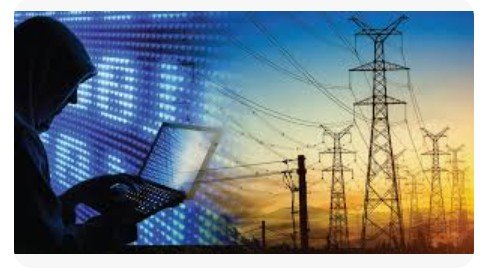
India’s power sector is rapidly digitalizing, increasing the need for robust cybersecurity across its national transmission network.
Parliamentary questions highlight grid security concerns, while Power Grid Corporation of India Limited (PGCIL) recently annulled a crucial firewall tender, sparking stakeholder worries about immediate upgrades.
Experts emphasize multi-layer security, real-time monitoring, and international standards to ensure uninterrupted power supply amidst evolving cyber threats.
The Central Electricity Authority (CEA) has taken proactive measures by issuing the Cyber Security in Power Sector Guidelines, 2021. These guidelines provide a robust cyber assurance framework aimed at reinforcing the governance structure across various entities in the power sector.
Additionally, the Draft Central Electricity Authority (Cyber Security in Power Sector) Regulations, 2025, are currently in the final stages of development, which will further delineate cybersecurity protocols within the industry.
The Central Electricity Authority (CEA) has taken proactive measures by issuing the Cyber Security in Power Sector Guidelines, 2021. These guidelines provide a robust cyber assurance framework aimed at reinforcing the governance structure across various entities in the power sector. Additionally, the Draft Central Electricity Authority (Cyber Security in Power Sector) Regulations, 2025, are currently in the final stages of development, which will further delineate cybersecurity protocols within the industry.
What expert warns on Grid cyber securtity
Cyber-security specialists warn that the power grid remains a high-value target for adversaries. They caution that a single breach could trigger widespread outages affecting homes, industries and essential services. Given the surge in State-sponsored cyber-attacks worldwide, experts say India cannot afford delays in strengthening its power infrastructure.
They recommend immediate installation of multi-layer cyber defences, expedited security audits and strict compliance with global standards such as NERC-CIP and ISO 27001. Without decisive action, they warn, the national grid remains dangerously exposed at a time of escalating cyber risk.